
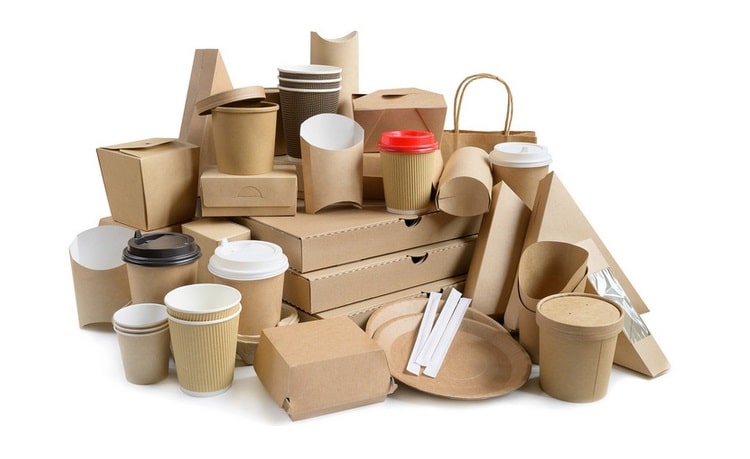
Food safety starts long before a meal reaches the table. From production and transportation to storage and retail, the packaging surrounding food plays a vital role in maintaining quality and preventing contamination. Choosing the right food packaging is essential for businesses that want to deliver safe, fresh, and high-quality products to consumers. In this article, Ecocare explains what makes food packaging safe for food contact and why selecting the right materials is critical for protecting both your products and your customers.
What Is Food Packaging?
Food packaging refers to any material designed to contain, protect, preserve, and transport food products while preventing contamination from external sources. It acts as a protective barrier against moisture, oxygen, light, microorganisms, chemicals, and physical damage throughout the supply chain.
Modern food packaging serves multiple purposes beyond simply holding food. It helps extend shelf life, maintains freshness, provides essential product information, and ensures food reaches consumers in the best possible condition. Whether it is packaging for fresh produce, ready-to-eat meals, frozen foods, beverages, or bakery products, every packaging solution must be suitable for direct or indirect food contact.
However, not all packaging materials are created equal. Products intended for food contact must meet strict safety requirements to ensure they do not introduce harmful substances into the food they protect.
Why Food Safety Matters in Food Packaging
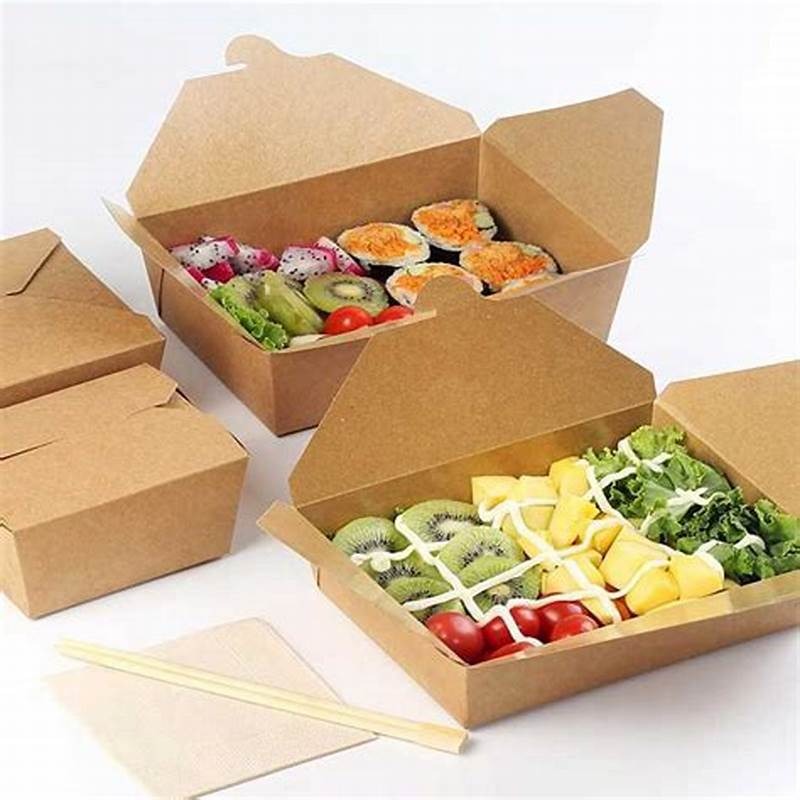
Food contamination can occur at any stage of production and distribution. Unsafe packaging materials may release chemicals, absorb contaminants, or fail to provide an adequate barrier against environmental factors. This can compromise food quality, reduce shelf life, and even pose health risks to consumers.
Safe food packaging is designed to prevent these issues by maintaining product integrity throughout storage and transportation. It also helps businesses comply with food safety regulations and protect their brand reputation.
Consumers today are increasingly aware of food safety and environmental responsibility. As a result, manufacturers are expected to choose packaging that is not only functional but also safe, reliable, and sustainable.
Key Characteristics of Safe Food Packaging
Food-Grade Materials
The most important requirement for food packaging is the use of food-grade materials. These materials are specifically manufactured and tested to ensure they are suitable for contact with food.
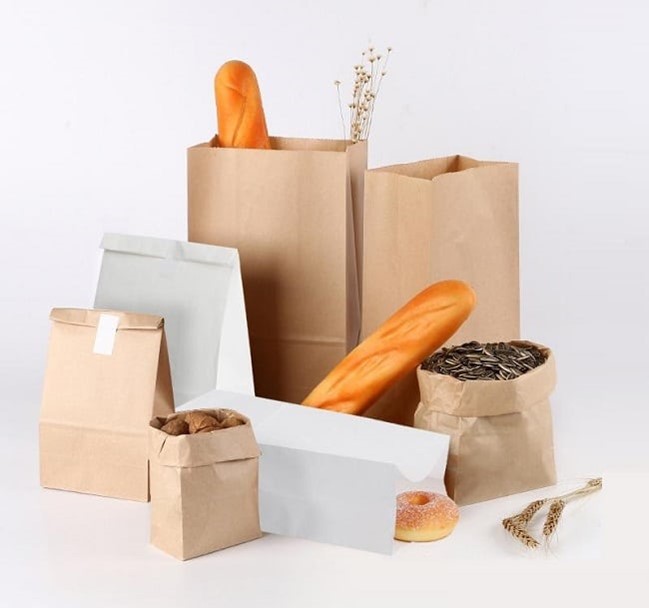
Food-grade packaging is produced under strict quality standards to minimise the risk of harmful chemical migration into food products. Common food-grade materials include certain plastics, paper, cardboard, aluminium, glass, and stainless steel, depending on the intended application.
Using certified food-grade materials provides confidence that the packaging performs safely under normal storage and usage conditions.
Chemical Stability
Packaging materials should remain chemically stable when exposed to food, temperature changes, moisture, oils, or acidic ingredients.
Poor-quality materials may release unwanted substances into food over time, particularly when exposed to heat or prolonged storage. Safe packaging is designed to resist chemical reactions and maintain its integrity throughout the product’s shelf life.
Chemical stability is especially important for hot foods, microwaveable meals, dairy products, beverages, and fatty foods, which can interact differently with various packaging materials.
Strong Barrier Protection
Effective food packaging creates a protective barrier against external contaminants.
A high-quality packaging solution should help prevent:
– Moisture entering or escaping
– Oxygen exposure
– Dust and dirt contamination
– Bacteria and microorganisms
– Unpleasant odours
– UV light damage where applicable
The right barrier properties help preserve freshness, flavour, texture, and nutritional value while extending shelf life.
Durability During Transport
Food often travels long distances before reaching consumers. Packaging must withstand handling, stacking, transportation, refrigeration, and storage without breaking or leaking.
Durable packaging reduces the risk of product damage and contamination during distribution while helping minimise food waste.
Strong seals and leak-resistant designs are equally important, particularly for liquids, sauces, frozen foods, and ready-to-eat meals.
Regulations That Ensure Food Packaging Safety
Food contact packaging is subject to strict regulations in many countries to protect public health.
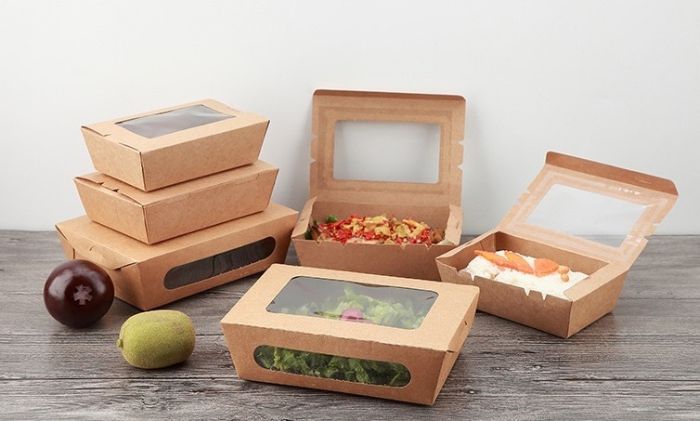
Manufacturers must ensure their packaging materials comply with recognised food safety standards before being used for commercial food products. These regulations typically assess factors such as material composition, migration limits, manufacturing processes, hygiene practices, and product testing.
Businesses should source packaging from trusted suppliers who can demonstrate compliance with relevant food contact requirements. Working with reliable manufacturers reduces risks and supports regulatory compliance throughout the supply chain.
Sustainable Food Packaging Without Compromising Safety
Sustainability has become an increasingly important consideration in the packaging industry. Businesses are looking for environmentally responsible alternatives while maintaining high food safety standards.
Fortunately, sustainable food packaging has advanced significantly in recent years. Many eco-friendly packaging solutions now offer excellent food protection alongside reduced environmental impact.
Examples include recyclable paper packaging, compostable food containers, biodegradable films, and responsibly sourced fibre-based materials. These products are carefully engineered to meet food safety requirements while supporting businesses in reducing waste and improving sustainability goals.
The key is selecting sustainable packaging that has been specifically developed for food contact rather than using general-purpose environmentally friendly materials that may not meet food-grade standards.
How Businesses Can Choose Safe Food Packaging
Selecting the right food packaging depends on several factors, including the type of food being packaged, storage conditions, transportation requirements, shelf life expectations, and sustainability objectives.
Businesses should consider whether the packaging will come into direct contact with food, whether it will be exposed to heat or freezing temperatures, and how long the product will remain in storage. Choosing packaging designed specifically for these conditions helps maintain product quality while ensuring consumer safety.
Partnering with experienced packaging specialists also makes it easier to identify suitable materials that comply with food safety regulations and meet operational requirements.
Safe food packaging is far more than a container—it is an essential part of food protection, quality assurance, and consumer health. From using certified food-grade materials to providing effective barrier protection and complying with strict safety standards, every aspect of packaging contributes to maintaining food integrity throughout the supply chain.
As consumer expectations continue to evolve, businesses must balance safety, performance, and sustainability when selecting packaging solutions. By investing in high-quality food packaging, companies can protect their products, strengthen customer trust, and support long-term business success.
If you’re looking for reliable, sustainable, and food-safe packaging solutions, Ecocare offers a range of environmentally responsible products designed to help businesses protect their food while reducing their environmental footprint. Contact Ecocare today to discover packaging solutions tailored to your industry’s needs.