
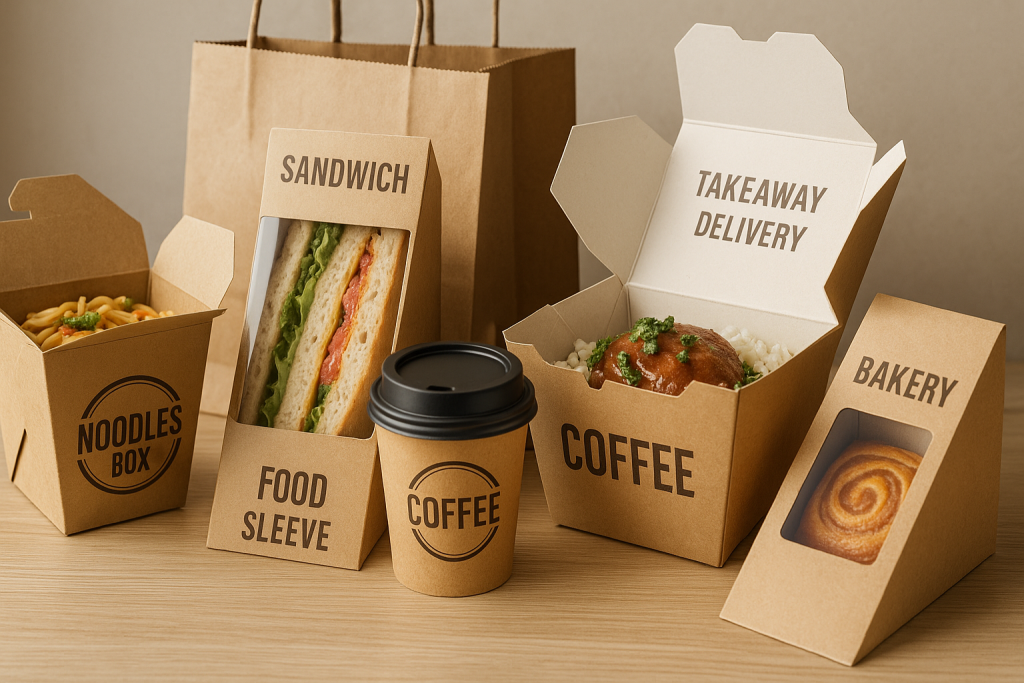
Packaging waste is a common challenge for cafés, restaurants, takeaway shops and catering businesses. Containers, cups, lids, cutlery and other disposable items are essential for daily service, but excessive use can increase purchasing costs and create unnecessary waste. As order volumes grow, even small inefficiencies in packaging selection and storage can have a noticeable impact. Reducing waste does not necessarily mean eliminating disposable packaging altogether. Businesses can often make meaningful improvements by reviewing how supplies are purchased, stored and used. In this article, Ecocare explores practical ways to reduce packaging waste while maintaining food safety, service quality and an efficient workflow.
How Food Service Supplies Audits Help Identify Packaging Waste
Before changing packaging products, businesses need to understand where waste occurs. Some operations may order more packaging than they need, while others use several disposable items for orders that could be prepared with fewer materials. Identifying these patterns provides a clearer starting point for improvement.
Review the packaging used across different activities, including dine-in service, takeaway orders, food delivery and catering. A takeaway meal might require a container, lid, bag, napkin and disposable cutlery. However, not every customer needs every item. Providing cutlery automatically with every order, for example, may result in unused utensils being discarded.
Staff feedback can also reveal practical problems. If containers regularly split, lids do not fit securely or packaging is difficult to assemble, employees may use additional bags or wrapping to compensate. Selecting better-matched products can prevent this extra material use while making order preparation easier.
The aim is to distinguish essential packaging from items that are used out of habit. Once the business understands its actual requirements, it can make targeted changes without compromising customer convenience.
Managing Food Service Supplies to Prevent Overstocking
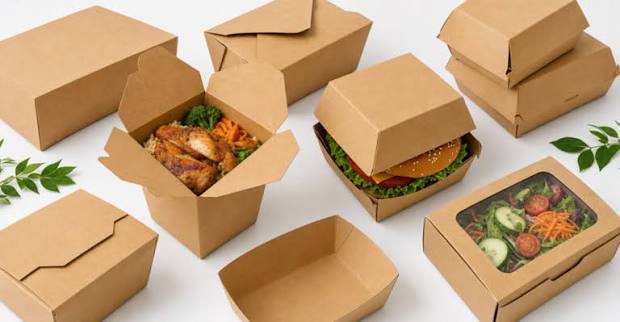
Poor stock management is a frequent source of avoidable waste. Ordering excessive quantities can leave businesses with packaging that becomes damaged, occupies valuable storage space or no longer suits the menu after a product change. Conversely, insufficient stock may lead to emergency purchases of alternative products that are less suitable for daily operations.
An effective inventory system begins with monitoring usage. Track how quickly different packaging items are consumed and compare this information with sales volumes. For example, a business selling hundreds of takeaway meals each week can estimate its regular container requirements more accurately by reviewing order data rather than relying on assumptions.
Storage conditions also matter. Keep packaging in clean, dry areas away from moisture, contamination and unnecessary handling. Organise supplies so older stock is used first where appropriate, and check packaging condition before use. Clear labelling and designated storage locations can help staff find the right products without opening multiple cartons.
Businesses should also establish sensible reorder points based on demand, supplier lead times and available storage. This reduces the likelihood of over-ordering while helping ensure essential items remain available during busy periods.
Choosing Food Service Supplies in the Right Packaging Sizes
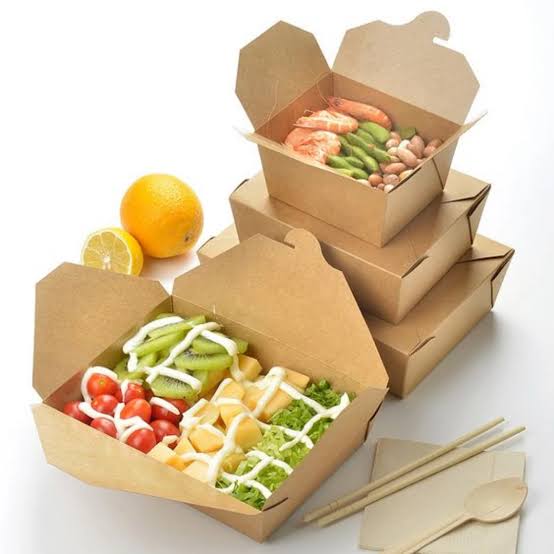
Using oversized packaging can increase material consumption and purchasing costs. A small pastry placed in a large container, for example, may require additional paper or filler to prevent movement. The extra space can also make storage and delivery less efficient.
Choosing packaging that fits the portion helps businesses avoid these problems. Review common serving sizes and match them with suitable containers, trays and bags. Where possible, standardise a practical range of sizes that accommodates the majority of menu items without creating unnecessary complexity.
However, smaller packaging is not always the better option. Containers must provide enough room to protect food, close securely and withstand handling. A package that is too small may crush ingredients or spill its contents, creating food waste and requiring replacement packaging.
Testing packaging with actual menu items is therefore essential. Consider the food’s shape, moisture content, temperature and transport requirements before making a purchasing decision. The right size should minimise unused space while maintaining food quality and reliable delivery.
Reducing Disposable Items Across Food Service Supplies
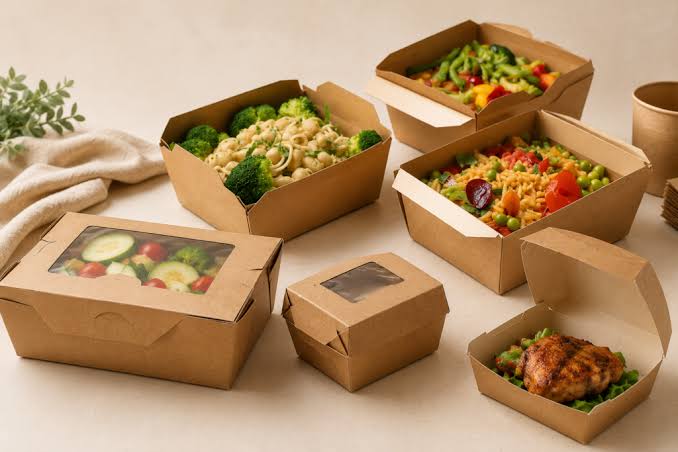
Not every order requires the same collection of disposable accessories. Napkins, straws, wooden cutlery, sauce containers and extra bags can all contribute to packaging waste when provided automatically rather than according to customer needs.
Businesses can review which items should be included by default and which can be offered on request. For takeaway orders, customers may need disposable cutlery, while delivery orders containing meals intended for immediate consumption at home may not. Giving customers a clear choice helps avoid unnecessary items without making the service less convenient.
Staff training is important when introducing these changes. Employees should understand which accessories are essential for particular dishes and how to prepare orders consistently. Simple packing guidelines can prevent both overpacking and the omission of necessary items.
Reusable alternatives may also be appropriate in certain settings, particularly for dine-in service or closed-loop catering systems where collection and washing are practical. Their suitability depends on hygiene requirements, available facilities and the way the business operates.
Selecting Food Service Supplies for Local Waste Management Systems
Material selection can support waste reduction, but businesses should consider what happens to packaging after use. Paper containers, cardboard trays and wooden utensils may be suitable alternatives for some applications, yet their end-of-life options depend on product construction and local waste collection arrangements.
For example, paper packaging with certain grease-resistant coatings or plastic linings may not be accepted in every paper recycling stream. Food contamination can also affect whether an item is recyclable. Similarly, products labelled compostable may require commercial composting facilities and may not be accepted in ordinary rubbish or green-waste collections.
Before switching suppliers or materials, check local council guidance and confirm the disposal instructions provided by the packaging manufacturer. If a business operates across several locations, waste management options may differ between sites.
Clear disposal information can help staff separate waste correctly and give customers more useful guidance. Choosing packaging that aligns with available collection services is generally more practical than selecting products based solely on environmental claims.
Improving Food Service Supplies Through Regular Performance Reviews
Reducing packaging waste works best as an ongoing operational process rather than a one-off purchasing change. After introducing new procedures, review packaging consumption, stock levels and customer feedback to determine whether the changes are effective.
Useful measures include packaging units used per order, the frequency of damaged containers, the volume of unused stock and the cost of packaging relative to sales. These indicators help identify whether a change is reducing waste or simply shifting costs elsewhere.
Supplier discussions can also support improvement. Ask about product dimensions, material composition, available sizes and ordering options before committing to large quantities. Reliable supply and consistent specifications make it easier to maintain an efficient packaging system as the business grows.
Ultimately, reducing packaging waste requires a balance between operational efficiency, food protection and responsible disposal. By managing food service supplies carefully, selecting appropriate packaging sizes and avoiding unnecessary accessories, food businesses can reduce avoidable waste while keeping daily service practical and consistent.