
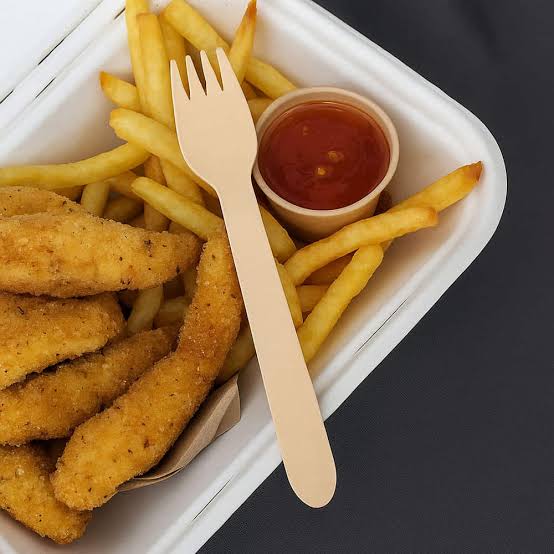
Choosing suitable cutlery is an important part of preparing takeaway meals and catering orders. Although forks may seem like a small detail, their quality can influence how easily customers eat their food and how smoothly staff prepare orders. For businesses serving large numbers of customers, the right disposable cutlery should be practical, comfortable to use and suitable for the meals on the menu. Wooden forks are one option for food service businesses looking for an alternative to conventional plastic cutlery. However, not every product performs equally well across different dishes and serving conditions. In this article, Ecocare explains what to consider when selecting wooden forks for takeaway meals and catering.
Choose Wooden Forks Based on the Food You Serve
The type of food being served should guide the choice of fork. Light meals such as pastries, fruit portions and soft salads may require less strength than dishes containing firm vegetables, roasted meat or other foods that need more pressure to pierce.
For takeaway lunches, consider whether the fork can handle the meal without bending or splintering during normal use. A fork that struggles with firmer ingredients can frustrate customers, while one with an unsuitable shape may make it difficult to pick up smaller pieces of food.
Catering businesses should also consider menu variety. A buffet serving pasta, salads and grilled dishes may need cutlery that works across several food types. Testing a sample with the actual menu can help determine whether the fork’s tine design, thickness and overall structure are appropriate.
Matching cutlery to the food helps avoid unnecessary product changes and supports a more consistent dining experience.
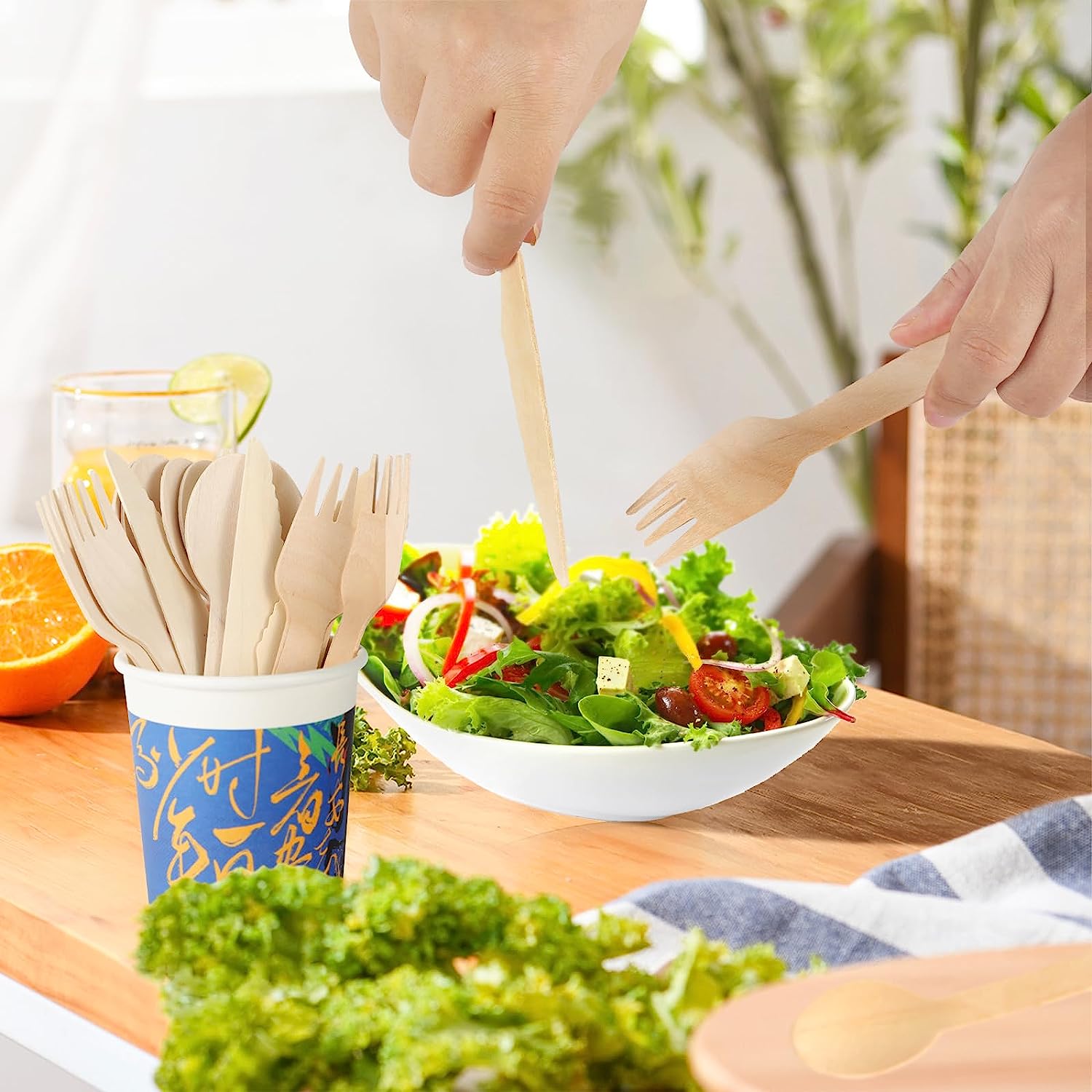
Assess the Quality and Comfort of Wooden Forks
Material quality is essential when choosing disposable wooden cutlery. The fork should have a stable structure and a smooth finish, with no obvious splinters, rough edges or damaged tines. These details affect both comfort and the suitability of the product for everyday food service.
The shape of the handle also matters. Customers need to hold the fork securely while eating, whether they are enjoying a takeaway meal at work, attending an outdoor event or eating at a catered function. A handle that is too short or uncomfortable to grip may be inconvenient, particularly when meals contain several components.
Businesses should examine product consistency as well as individual samples. When ordering in bulk, variations in dimensions, finish or strength can affect the customer experience across different orders. Requesting samples and checking product specifications before purchasing a large quantity can reduce this risk.
It is also important to confirm that the forks are intended for food-contact use and to follow the supplier’s guidance on storage and handling.
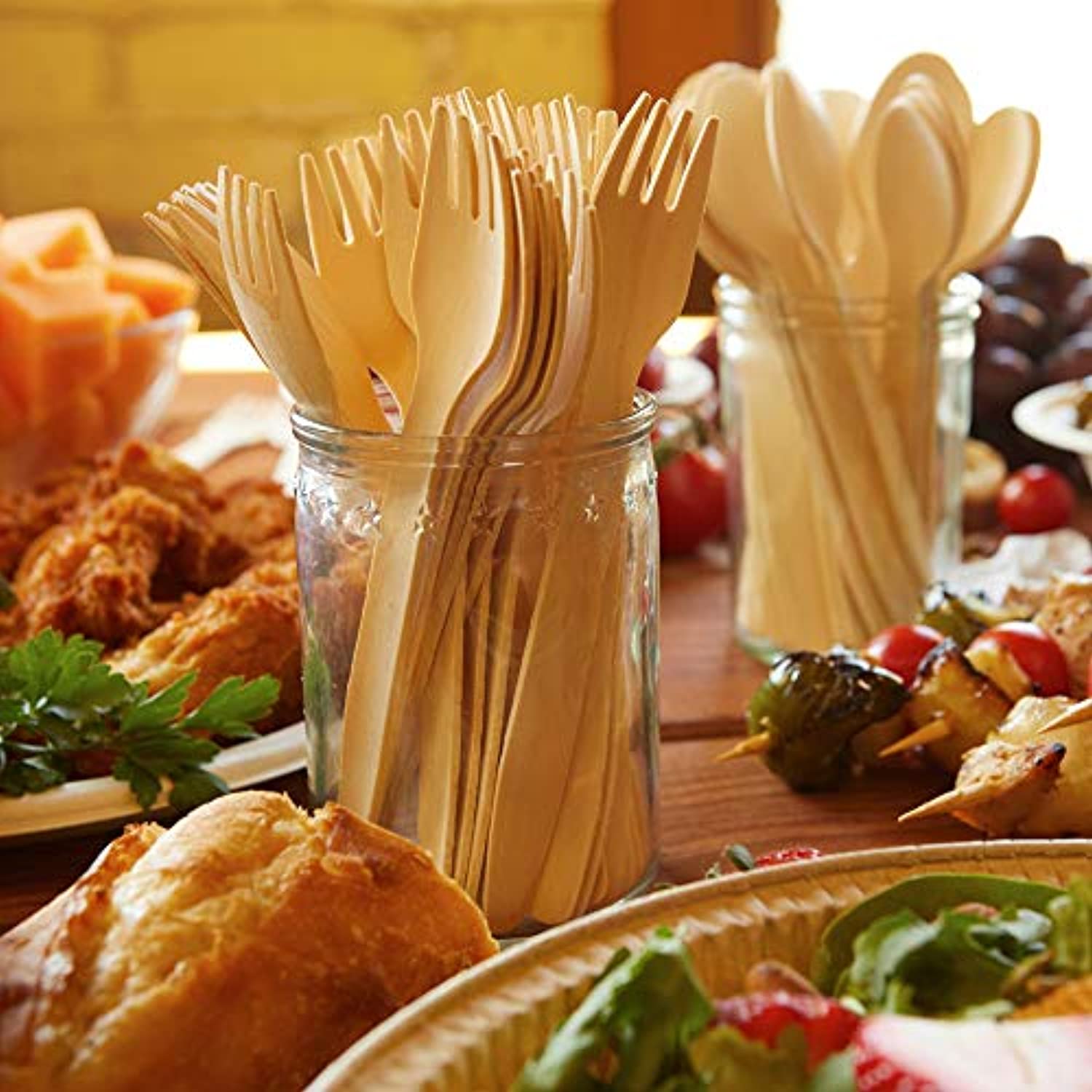
Consider Packaging, Quantity and Storage for Catering
Takeaway and catering operations often use disposable cutlery in substantial quantities, making purchasing and storage important considerations. The right order size depends on customer volume, event schedules, available storage space and the expected frequency of replenishment.
Businesses with predictable demand may benefit from bulk purchasing, but ordering more than necessary can create storage difficulties and tie up working capital. Estimating fork usage from sales records or previous catering events provides a more reliable basis for planning stock levels.
Packaging format should also suit the service model. Individually wrapped forks may be appropriate where cutlery needs to remain protected until distribution, while bulk-packed options may be more practical for some catering setups. The choice should reflect hygiene procedures, local requirements and how staff distribute utensils.
Store wooden forks in a clean, dry place, protected from moisture and contamination. Organised storage makes stock easier to count and access, helping staff prepare orders efficiently during busy periods. Businesses should also check that packaging remains intact before the cutlery is used.
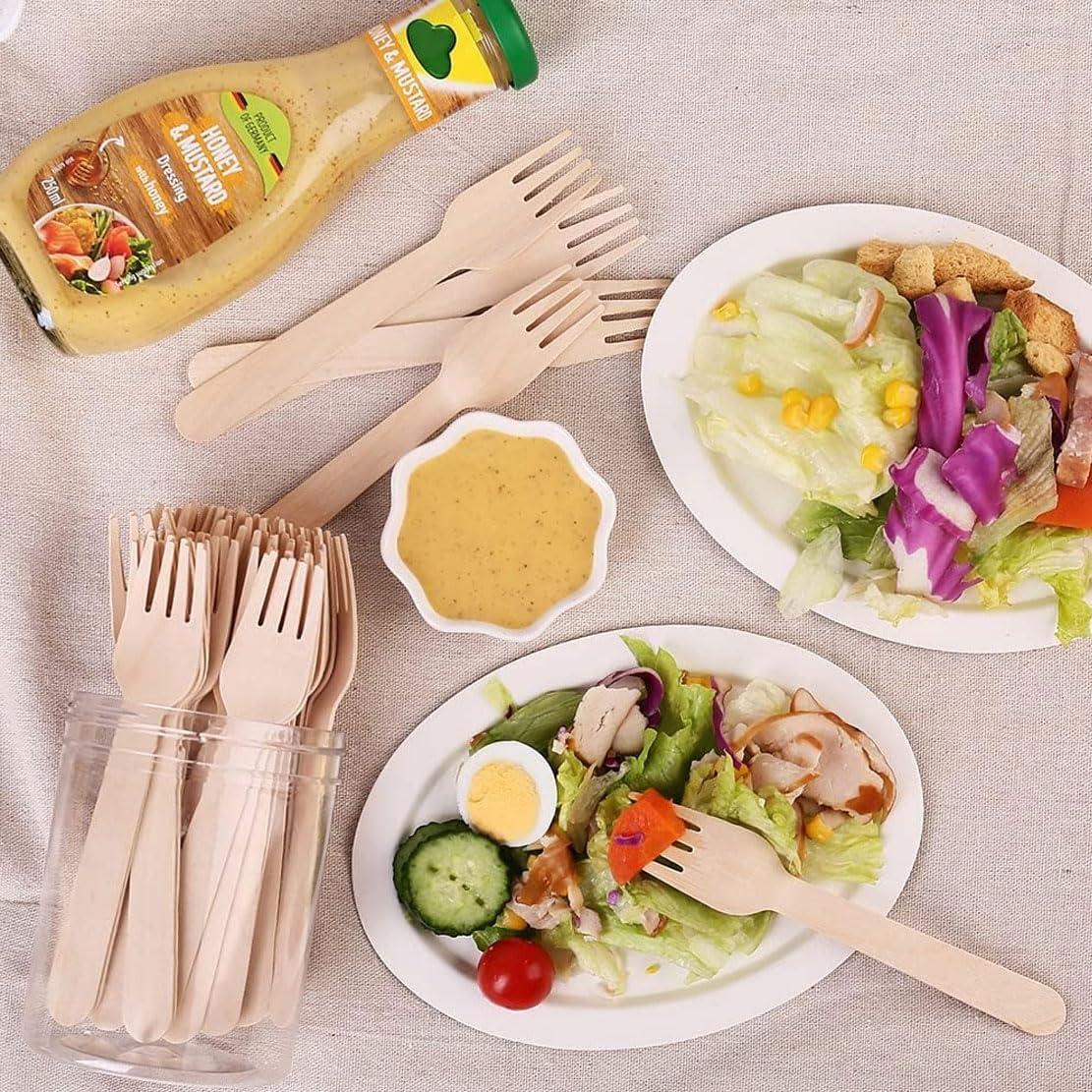
Select Wooden Forks That Support Efficient Food Service
Price is an important purchasing factor, but the cheapest product may not offer the best overall value if it bends easily, has an uncomfortable finish or creates problems during service. Businesses should assess quality, suitability, supplier reliability and the cost per usable fork together.
For takeaway shops, cafés and catering providers, consistent supply is especially important when demand changes during weekends, seasonal periods or large events. A dependable supplier should provide clear product specifications, practical order quantities and reliable delivery arrangements.
Sustainability claims should also be assessed carefully. Wooden cutlery may offer an alternative to plastic utensils, but its environmental impact depends on factors such as wood sourcing, manufacturing and disposal. Businesses should verify product information and check local waste-management options rather than assuming every wooden fork is recyclable or compostable.
Ultimately, the best wooden forks are those that suit the food, feel comfortable to use and fit the business’s purchasing and service requirements. By checking quality, testing products with actual meals and planning stock carefully, food service operators can select disposable cutlery that supports reliable takeaway and catering operations.