
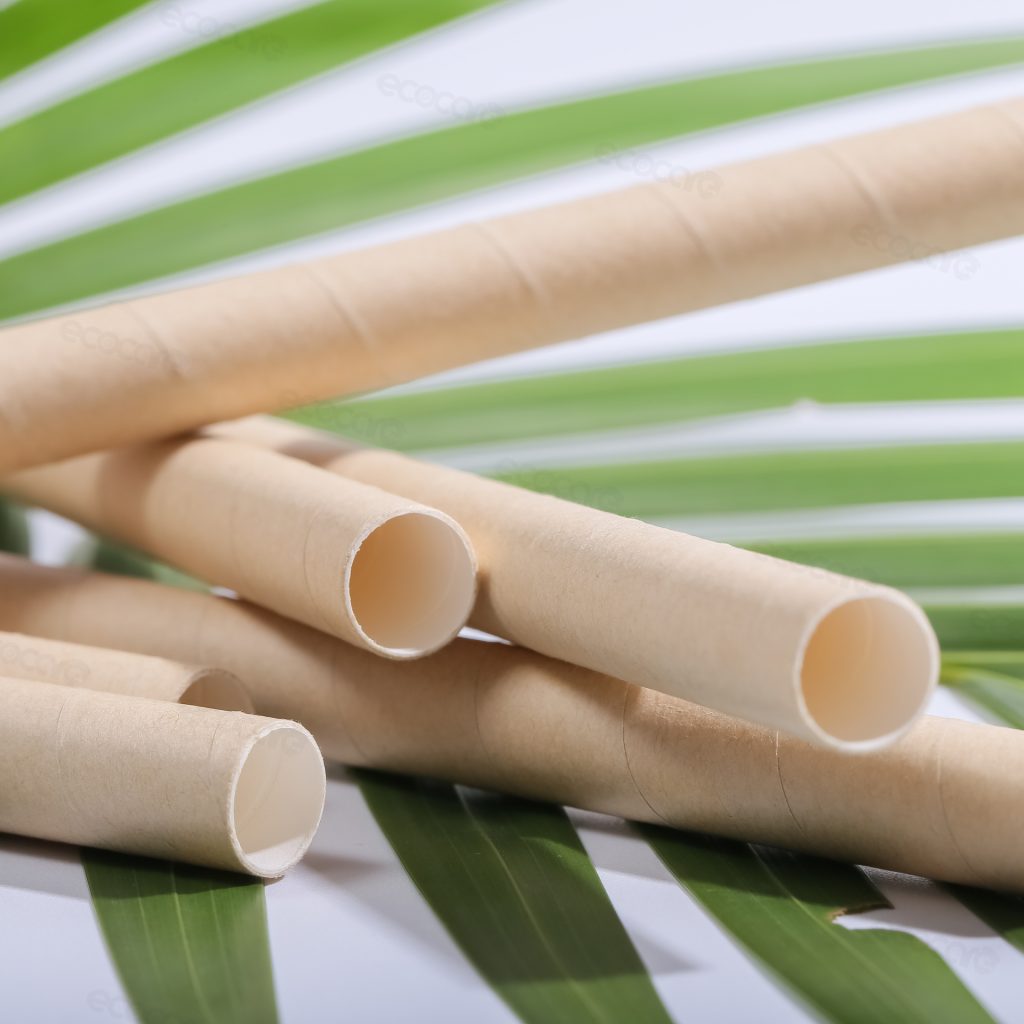
As sustainability becomes a growing priority for businesses and consumers alike, the search for environmentally responsible alternatives to single-use plastics has accelerated. One product that has gained widespread attention is the paper drinking straws. Found in cafés, restaurants, fast-food outlets, and events across Australia, paper straws are often promoted as a greener alternative to plastic. But are they really as eco-friendly as they claim to be?
In this article, Ecocare explores the environmental impact of paper drinking straws, their advantages and limitations, and why they continue to play an important role in reducing plastic waste.
Why Plastic Straws Became a Problem
For decades, plastic straws were a common part of the food service industry due to their low cost, durability, and convenience. However, growing awareness of plastic pollution has highlighted the environmental challenges associated with single-use plastic products.
Plastic straws are typically used for only a few minutes but can remain in the environment for hundreds of years. Because of their small size, they are difficult to recycle through conventional systems and often end up in landfills, waterways, and oceans. This contributes to pollution that can harm wildlife and ecosystems.
As governments and consumers push for more sustainable practices, businesses have been encouraged to adopt alternatives such as paper drinking straws.

What Makes Paper Drinking Straws Eco-Friendly?
Made from Renewable Resources
One of the main environmental benefits of paper drinking straws is that they are produced from renewable materials. Unlike plastic, which is derived from fossil fuels, paper is typically made from wood pulp sourced from managed forests.
When responsibly sourced, paper can be replenished through sustainable forestry practices, making it a more environmentally friendly raw material.
Biodegradable and Compostable
A significant advantage of paper straws is their ability to break down naturally. Under suitable conditions, paper drinking straws decompose much faster than plastic alternatives.
Many paper straws are also commercially compostable, allowing them to return to the environment as organic matter rather than persisting as waste for decades. This helps reduce the volume of long-lasting litter entering landfills and natural ecosystems.
Lower Risk to Wildlife
Plastic pollution poses serious threats to marine animals, birds, and other wildlife. Small plastic items such as straws can be ingested by animals or contribute to habitat degradation.
Because paper straws naturally decompose over time, they generally present a lower long-term environmental risk if they are improperly discarded. While littering should always be avoided, biodegradable materials have a reduced impact compared to conventional plastics.
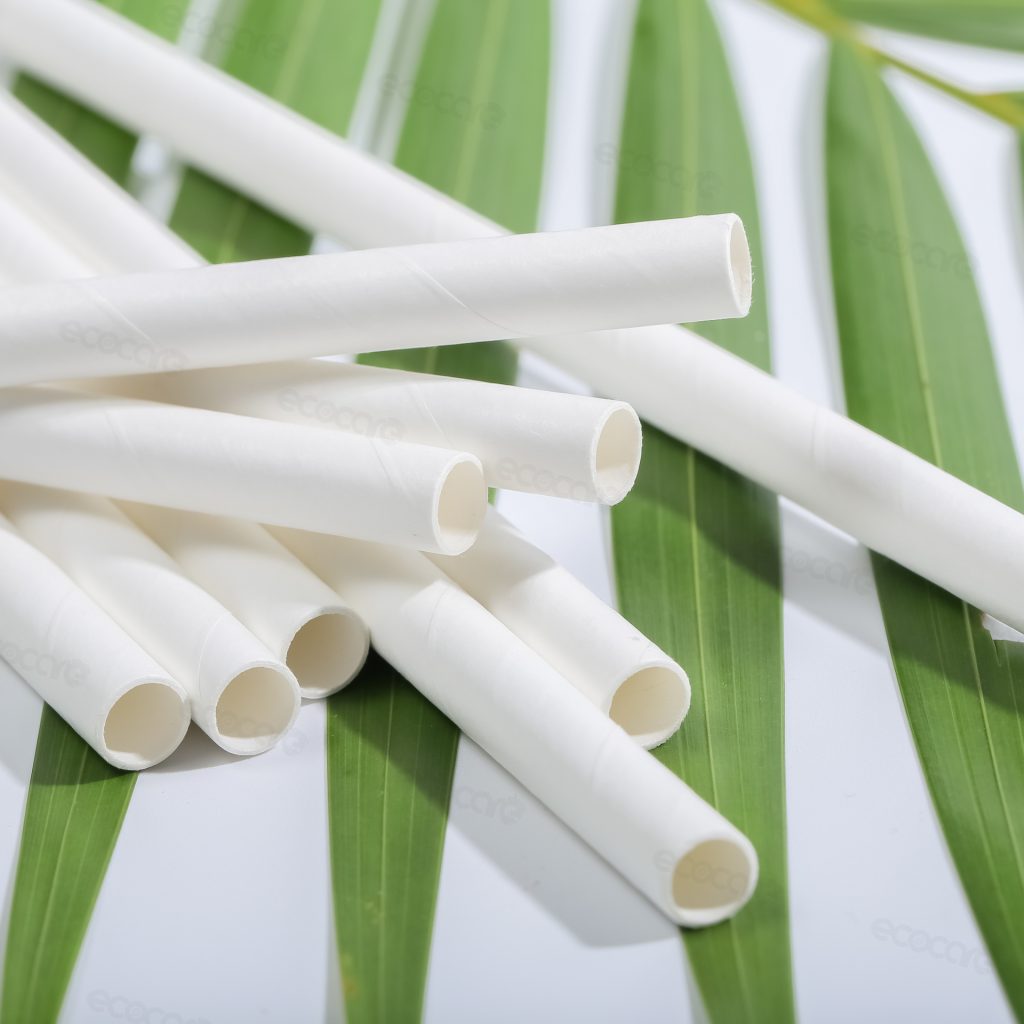
Why Businesses Continue to Choose Paper Drinking Straws
Despite some limitations, many businesses view paper drinking straws as a practical and responsible solution for meeting sustainability goals.
Consumers increasingly expect businesses to reduce single-use plastics and demonstrate environmental responsibility. Offering paper straws can help organisations align with customer expectations while supporting broader waste reduction initiatives.
Many regions have also introduced restrictions on single-use plastic products, making paper alternatives a valuable option for compliance with current and future regulations.
For restaurants, cafés, hotels, and event organisers, switching to paper straws is often a simple yet visible way to showcase a commitment to sustainability.

How to Maximise Their Environmental Benefits
To achieve the greatest environmental impact, businesses should view paper drinking straws as part of a broader sustainability strategy.
This may include selecting products made from responsibly sourced materials, supporting recycling and composting programs, reducing unnecessary disposable items, and educating customers about proper disposal practices.
Working with suppliers that prioritise sustainable manufacturing and certified materials can further enhance the environmental benefits of paper-based products.
When combined with other eco-friendly packaging solutions, paper straws contribute to a more sustainable food service operation.
So, are paper drinking straws really eco-friendly? In most cases, the answer is yes. Their renewable raw materials, biodegradability, compostability, and lower environmental impact compared to plastic make them a valuable alternative for businesses seeking more sustainable practices.
While no disposable product is completely free from environmental impact, paper straws represent a meaningful step towards reducing plastic pollution and supporting a cleaner future. As technology continues to improve and sustainability becomes increasingly important, paper drinking straws are likely to remain a key part of environmentally responsible food service operations.
At Ecocare, we provide sustainable packaging solutions that help businesses reduce waste while maintaining quality and customer satisfaction. Explore our range of environmentally friendly products to support your journey towards a more sustainable future.