
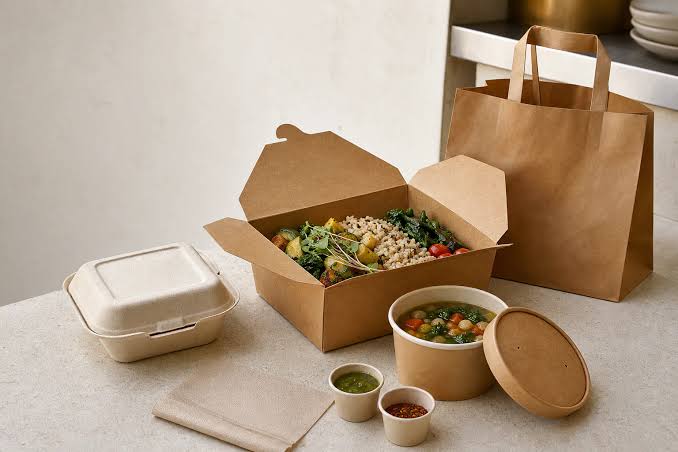
As a takeaway business grows, food packaging becomes more than a container for meals. It influences food quality, delivery performance, operating costs and the overall customer experience. Packaging that works well for a small number of daily orders may no longer be suitable when order volumes increase or the menu expands.
Choosing the right food packaging requires a balance between functionality, cost, presentation and sustainability. Businesses need to consider the types of meals they serve, how far orders travel and how efficiently staff can prepare them. In this article, Ecocare explores the key factors takeaway businesses should consider when choosing food packaging that supports consistent service and long-term growth.
Why Food Packaging Matters as Your Takeaway Business Grows
Packaging decisions directly affect how takeaway food is prepared, transported and received. A suitable container helps protect meals from spills, contamination and physical damage during handling. It can also preserve the intended presentation of a dish, which is particularly important for businesses that rely on delivery platforms and customer reviews.
Growth introduces additional challenges. A café that previously served mostly sandwiches and pastries may begin offering hot meals, salads and family-sized portions. Each product has different packaging requirements, so relying on one container for every menu item can lead to unnecessary costs or poor results.
Higher order volumes also make consistency more important. Staff need packaging that is easy to assemble, simple to store and suitable for busy service periods. Standardising selected container sizes and formats can streamline packing procedures and reduce confusion without limiting the business’s ability to serve different types of food.
Match Food Packaging to Your Menu
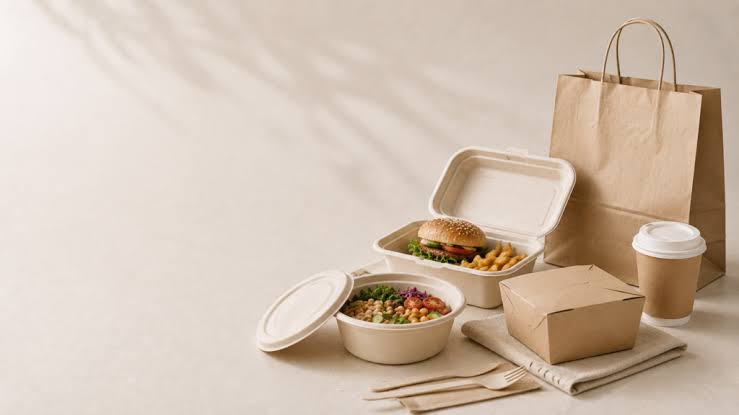
The most effective way to select packaging is to start with the food itself. Container size, material, closure and structural strength should reflect the meal’s temperature, texture, moisture content and portion size.
Hot Meals and Fried Foods
Hot meals often release steam after cooking. If steam becomes trapped inside a tightly closed container, condensation can affect the texture of foods such as chips, fried chicken and pastries. Packaging should therefore be selected according to the product’s needs for ventilation, heat retention and moisture control.
For saucy meals, curries or dishes served with gravy, a secure closure and leak-resistant construction are particularly important. Containers should also maintain their shape when filled with hot food. Before purchasing in bulk, businesses can test representative menu items to assess how the packaging performs after packing and during a typical delivery journey.
Cold Foods, Salads and Desserts
Cold dishes have different requirements. Salads, fruit portions and chilled desserts may benefit from containers that keep ingredients separated and present the food clearly. A suitable lid helps protect the contents during transport, while an appropriately sized container prevents excessive movement inside the package.
Businesses selling layered desserts or colourful salads may also consider packaging that allows customers to see the food. However, visibility should not come at the expense of secure closure, practical storage or compatibility with the required serving temperature.
Different Portions and Menu Sizes
A container that is too small can crush food or make closing the lid difficult. One that is too large may allow meals to move around and increase packaging costs. Reviewing standard portion sizes helps businesses choose containers that fit their menus more accurately.
Rather than stocking numerous sizes without a clear purpose, takeaway operators can identify a core range for regular meals and retain specialised options for products that genuinely require them. This approach makes purchasing and stock management more manageable.
Calculate the Real Cost of Food Packaging
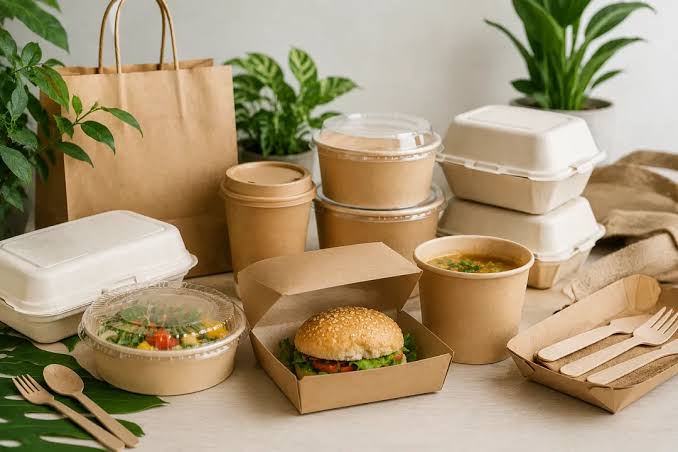
Unit price is an important consideration, but it does not tell the whole story. Low-cost packaging may become more expensive in practice if it requires additional wrapping, takes longer to assemble or frequently results in spills and damaged meals.
A more useful assessment considers the cost per successfully packed order. This includes the container, lid, any necessary supporting items and the operational impact of using the product. Packaging that saves a small amount per unit but causes regular delivery problems may offer poor overall value.
Purchasing in bulk can reduce unit costs, particularly for businesses with predictable demand. However, ordering large quantities before testing a product can tie up working capital and create storage problems if the menu changes. Growing businesses should compare minimum order quantities, lead times, storage requirements and the supplier’s ability to maintain consistent availability.
It is also worth reviewing packaging usage periodically. If staff regularly use two containers for a meal that could be packed safely in one suitable option, there may be an opportunity to simplify the process without compromising food quality.
Choose Food Packaging That Supports Sustainability Goals
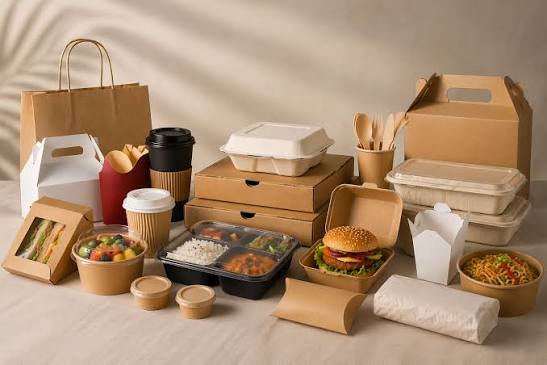
Customers increasingly pay attention to packaging waste, making material selection relevant to purchasing decisions and brand perception. Paper-based options may help businesses reduce reliance on certain plastic products, but environmental performance depends on more than the material’s appearance or name.
Businesses should review whether packaging contains plastic linings, whether it can be accepted by local recycling systems and whether suitable commercial composting facilities are available. A product described as compostable may require specific processing conditions and may not be accepted in ordinary household or commercial waste collections.
Reducing unnecessary packaging is another practical step. Choosing appropriately sized containers, avoiding redundant wrapping and managing stock carefully can help limit waste while keeping orders secure. Clear disposal guidance may also help customers handle used packaging more responsibly.
Sustainability decisions should be based on verified product information and the waste-management options available in the business’s operating area. This provides a more reliable basis for selecting packaging than making broad environmental claims.
Ultimately, the best food packaging is not necessarily the cheapest option or the most elaborate design. It is the solution that protects the food, supports an efficient workflow and provides customers with a dependable takeaway experience. By reviewing packaging needs regularly, businesses can make informed purchasing decisions and build an approach that remains practical as they grow.