
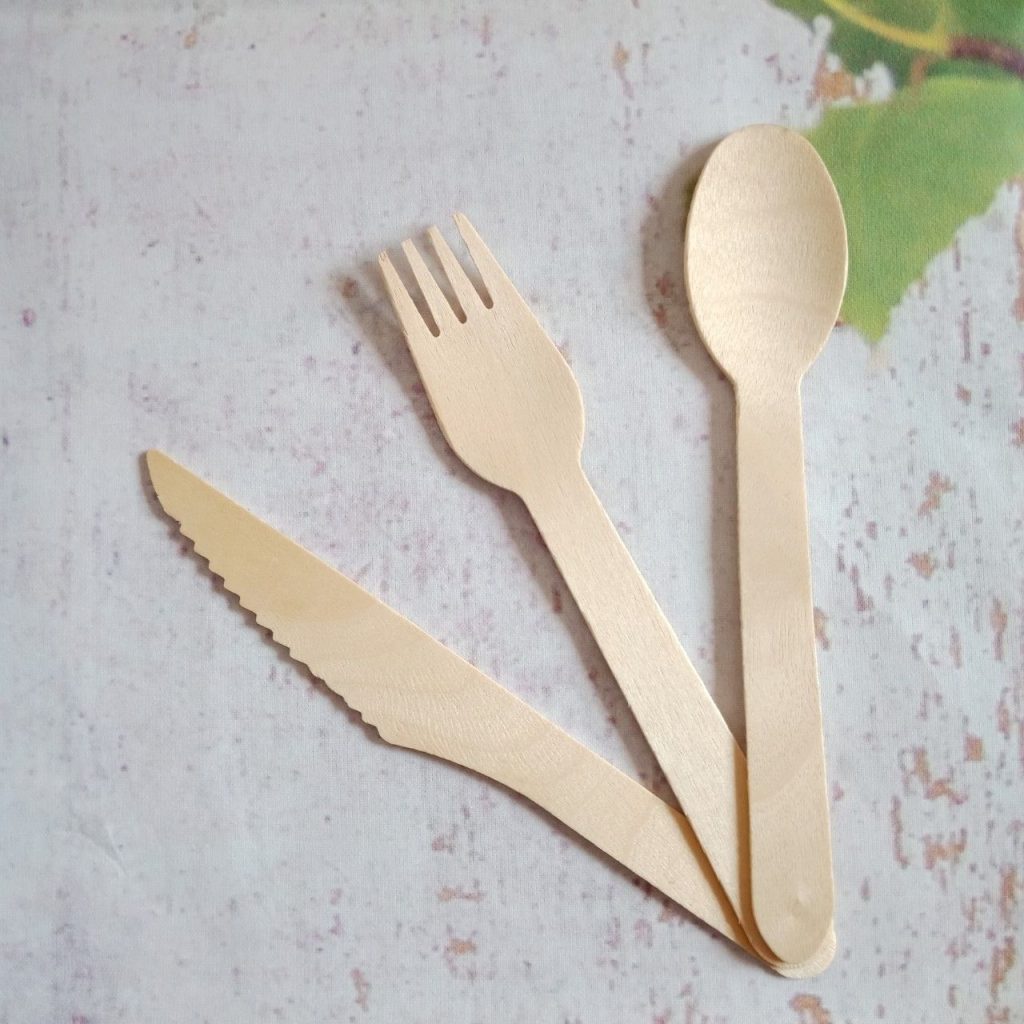
Wooden utensils have been used in kitchens for centuries, valued for their durability, versatility, and natural appearance. From home cooks to professional chefs, many people prefer wooden kitchen tools for preparing and serving a wide variety of dishes. Among them, the wooden spoon remains one of the most commonly used utensils. But is it safe to use with hot foods?
In this article, EcoCare explores whether wooden utensils are suitable for high-temperature cooking, the benefits they offer, and the best practices for keeping them safe and long-lasting.
Why a Wooden Spoon Is Popular for Cooking
Despite the availability of silicone, stainless steel, and plastic utensils, the wooden spoon continues to be a favourite in many kitchens.
One reason is that wood is a poor conductor of heat. Unlike metal utensils, a wooden spoon stays relatively cool during cooking, making it comfortable to hold while stirring soups, sauces, or stews. It is also gentle on cookware, helping prevent scratches on non-stick pans, ceramic cookware, and enamel-coated pots.
Its sturdy construction allows it to handle thick mixtures, making it suitable for everything from risottos and curries to cake batter and slow-cooked meals.
Is a Wooden Spoon Safe for Hot Foods?
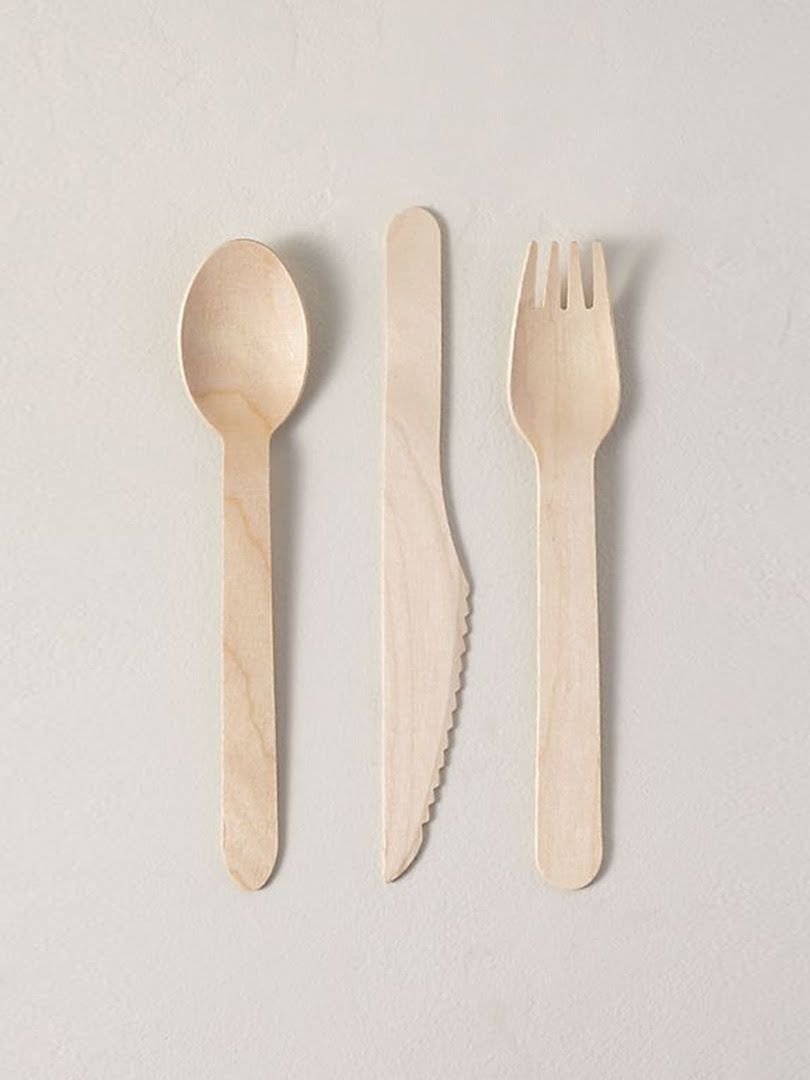
The simple answer is yes. A high-quality wooden spoon is generally safe for preparing and serving hot foods when it is properly manufactured and maintained.
Wood has natural insulating properties that allow it to withstand cooking temperatures without melting or releasing harmful substances. Unlike some low-quality plastic utensils, wooden spoons do not soften when exposed to heat or leach chemicals into food under normal cooking conditions.
This makes them a reliable choice for stirring boiling liquids, sautéing vegetables, mixing sauces, and serving freshly cooked meals.
Benefits of Using a Wooden Spoon with Hot Foods
Gentle on Cookware
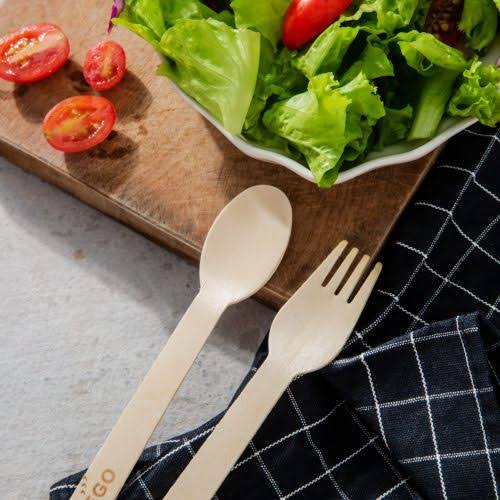
A wooden spoon is less likely to damage cookware compared to metal utensils. It allows cooks to stir ingredients thoroughly without scratching delicate cooking surfaces, helping extend the lifespan of kitchen equipment.
Does Not React with Ingredients
Some metals may react with acidic ingredients such as tomatoes, vinegar, or citrus, potentially affecting flavour over time. Wood is generally non-reactive, allowing the natural taste of food to remain unchanged.
This makes a wooden spoon suitable for preparing a wide range of recipes without influencing their flavour.
Comfortable During Cooking
Because wood transfers heat slowly, the handle remains comfortable to hold even when cooking at high temperatures. This reduces the risk of discomfort while stirring food over extended periods.
For professional kitchens where continuous cooking is common, this practical advantage makes wooden utensils particularly useful.
How to Keep a Wooden Spoon Safe and Hygienic
Although wooden utensils are safe for food contact, proper care is essential to maintain hygiene.
After each use, a wooden spoon should be washed with warm water and mild dish soap before being thoroughly dried. Leaving it soaking in water for long periods should be avoided, as excessive moisture may cause the wood to swell, crack, or warp over time.
It is also important to inspect wooden utensils regularly. If a spoon develops deep cracks, rough splinters, or significant wear, replacing it is recommended to maintain food safety.
Occasionally applying food-safe mineral oil can help keep the wood conditioned, reducing the likelihood of drying or cracking while extending its lifespan.
Common Myths About Wooden Spoon Safety
There is a common belief that wooden utensils automatically harbour harmful bacteria because wood is porous. However, research has shown that properly cleaned wooden utensils can be just as safe as many other kitchen materials.
The key factor is maintenance rather than the material itself. Regular cleaning, thorough drying, and replacing damaged utensils when necessary help ensure a wooden spoon remains safe for everyday cooking.
Another misconception is that wooden utensils cannot handle high temperatures. In reality, quality hardwood utensils are designed to perform well in normal cooking conditions without losing their strength or functionality.
Choosing a High-Quality Wooden Spoon
Not every wooden spoon offers the same level of performance. Choosing products made from durable hardwoods can improve longevity and reliability.
A well-crafted wooden spoon should have a smooth finish, comfortable grip, and solid construction without cracks or rough edges. Food-grade finishes are also important, ensuring the utensil is safe for repeated contact with hot foods.
Businesses and home cooks alike should source wooden utensils from trusted suppliers that prioritise quality craftsmanship and food safety standards.
A wooden spoon remains one of the safest and most practical utensils for preparing hot foods. Its natural heat resistance, gentle interaction with cookware, non-reactive surface, and comfortable handling make it an excellent choice for both home kitchens and professional food service environments.
Like any kitchen utensil, proper cleaning and storage are essential for maintaining hygiene and extending its lifespan. By choosing high-quality wooden utensils and caring for them correctly, users can enjoy reliable performance for years to come.
At EcoCare, we provide sustainable food service solutions designed to combine functionality, safety, and environmental responsibility. Whether you’re looking for eco-friendly kitchen utensils or sustainable food packaging, our products help businesses and households make more environmentally conscious choices without compromising quality.